Chemotherapeutic Drugs Biology Diagrams TABLE 1: Cell-cycle-phase-specific drugs S phase-dependent M phase-dependent Antimetabolites Vinca alkaloids a Capecitabine Vinblastine Cytarabine Vincristine chemotherapy drugs. It can be safely and conveniently adminis-tered with full doses of paclitaxel, doxorubicin, and vinorelbine with no compromise of pharmacokinet-
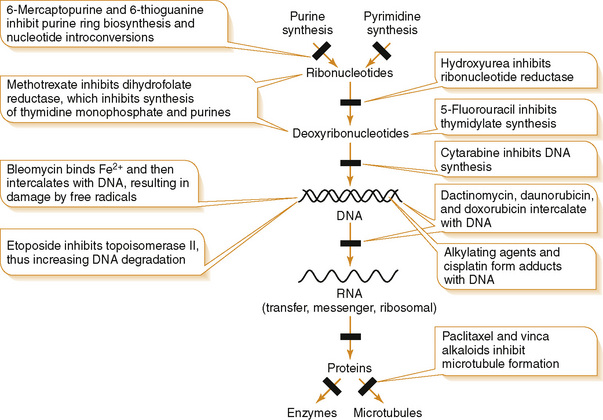
Principles of Clinical Cancer Chemotherapy and Drug Resistance. Cancer Mortality: 2000 = 553,091; Est.2003 = 556,500 Cancer Chemotherapy -- Effectiveness by Disease. Cell Cycle Active, S Phase Specific. ANTIMETABOLITES. Mechanisms. incorporation of nucleotide analog in DNA or RNA, resulting in abnormal nucleic acids

Principles of cancer treatment by chemotherapy Biology Diagrams
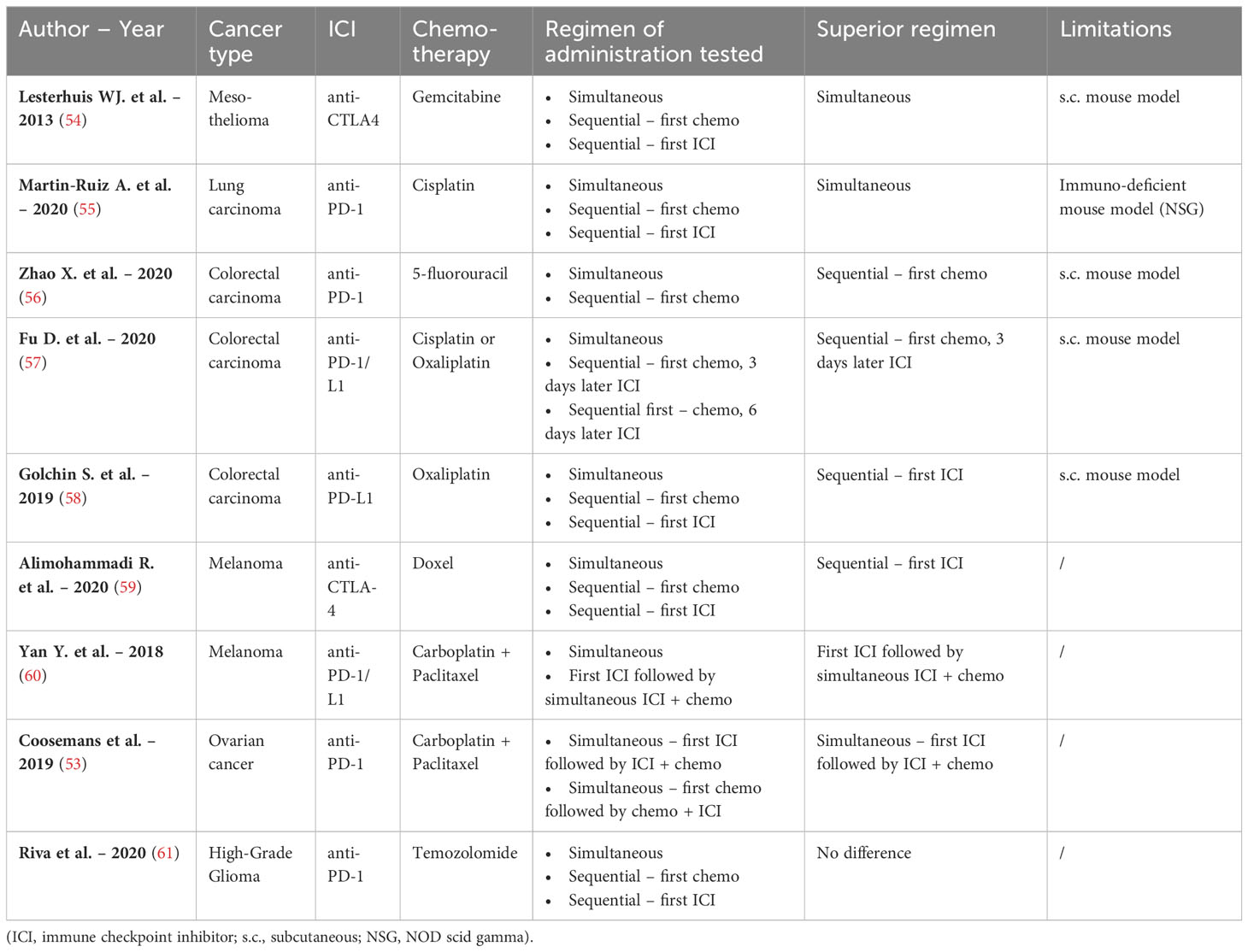
Cell cycle phase non-specific (CCPNS) drugs Chemotherapy drug mechanisms are generally divided into two categories: Order of administration Act as specific phases within the cell cycle. They are selectively potent if given when a large number of cancer cells are in the appropriate phase of the cell cycle. E.g. antimetabolites such as For example, 6-mercaptopurine (6-MP) as an antimetabolic drug mainly plays a role in the S phase while plant alkaloids mainly act on M-phase cells [20,21]. Surgery or radiotherapy will stimulate dormant tumor cells to re-enter the replication stage, and the cell cycle-specific chemotherapy drugs that follow will wipe them out. It is
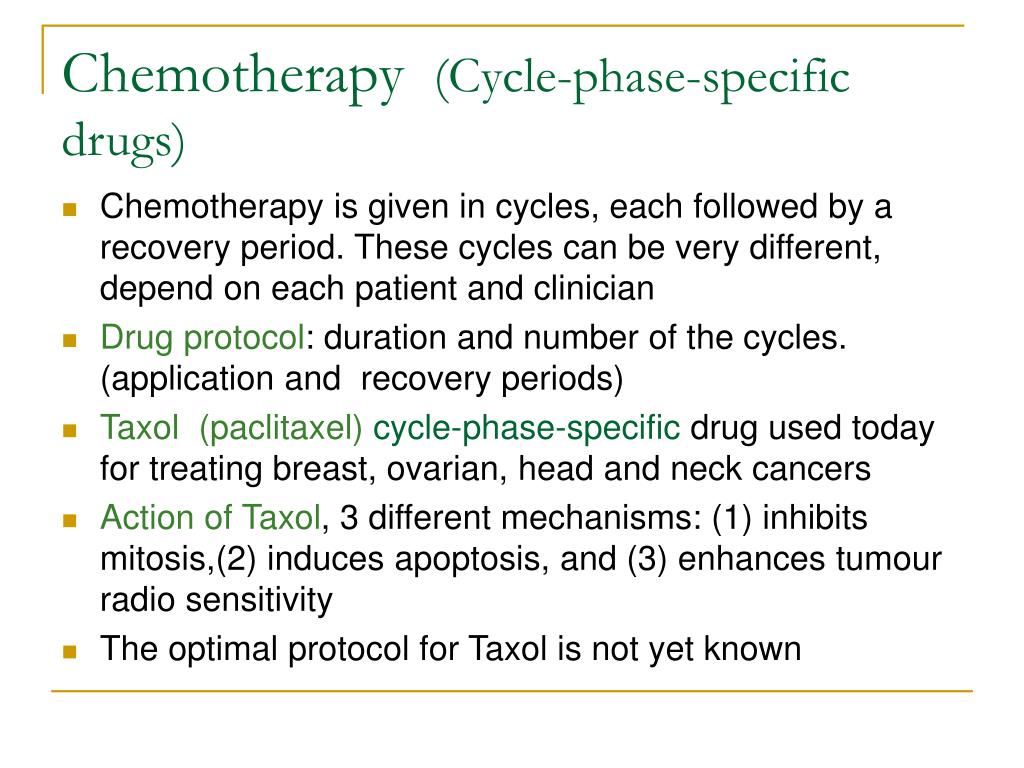
Antibiotics, PARP inhibitors, and antimetabolites work in the S phase. When formulating combination chemotherapy regimens, oncologists often look for two drugs that work in different parts of the cycle. Other chemotherapeutic agents kill multiplying cells in all phases. They are not phase-specific and are sometimes called CCNS, cell-cycle non

Spotlight on Cancer Therapy Cell Cycle Phase Biology Diagrams
The cell cycle has four stages: mitosis, gap-1, synthesis phase (S-phase) and gap-2. DNA synthesis occurs in S-phase, chromosomes then align, separate, and cell division takes place during mitosis. Chemotherapy drugs cause cell death by apoptosis, either by directly interfering with DNA, or by targeting the key proteins required for cell division. Repeat doses of chemotherapy may be given to keep killing cancer cells. Cell-Cycle Specific Chemotherapy. These attack cancer cells during specific phases of the cell cycle, but never during the resting phase. These are often given more than once. This gives the chemotherapy the best chance to kill as many cells as possible. cell cycle for a cycle specific drug (e.g., the S-phase fraction for an S-phase specific drug like fluorouracil), and a scaling factor for the level of drug resistance. Although this model is not as detailed or accurate as those described above by Jusko and Ozawa et al. 29-31 it is more convenient because the parameters are easier to estimate from